
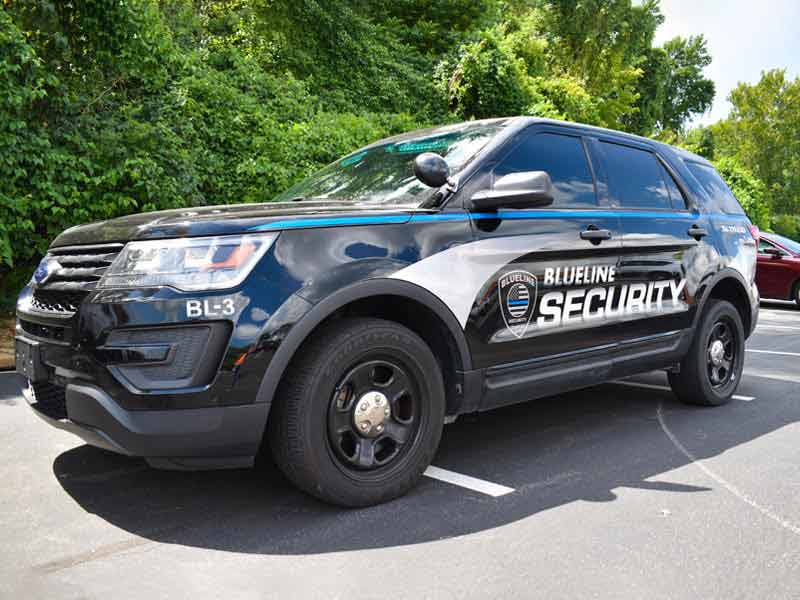
It could be parked in front of a shopping center or patrolling a corporate property, but wherever it is, a security vehicle sends a clear message: this area is under surveillance and protection. But that message only lands when people recognize who’s behind the wheel. That’s where custom security vehicle graphics come in.
Security Vehicle Graphics: Walking You Through the Design Process
Security vehicle decals give your fleet its identity. Based on what these decals depict, the public knows who you are. To some, this provides a sense of trust and security. To others, these decals act as a powerful crime deterrent and can prevent burglaries and other crimes simply by being more visible.
Today, we’ll walk through how security vehicle decals are made, covering everything from the initial design sketch to the final installation on your vehicles.
Step One: What’s the Purpose of Your Decals?
You need to start by getting clear on the specific purpose of your decals. Before diving into colors and fonts, think about what information your vehicles need to communicate.
A standard layout for security vehicle graphics tends to include:
- The word “Security” in large, bold letters
- The company name or logo
- A phone number or email address for quick contact
- Unit or vehicle identification numbers
- A badge, shield, or emblem representing your company’s brand
These elements work together to identify your fleet and give each vehicle a professional, consistent look. The goal? To help people instantly recognize a legitimate security presence rather than mistake your vehicles for something else.
Step Two: The Creative Process Starts
Once the basics are chosen, the creative process begins. Designing custom security vehicle decals goes beyond decoration and actually plays a big part in communication. Every font, line, and color choice should strengthen visibility and clarity.
High-contrast color schemes are often the most effective. Black-and-silver or white-and-blue combinations tend to stand out both day and night. Reflective outlines can add even more visibility, especially for vehicles that patrol after dark.
Fonts should be bold and easy to read at a distance. Think of someone spotting your vehicle from across a parking lot: will they know right away what it is?
At this stage, designers often create digital mockups, known as renderings, that simulate how your decals will appear once applied. With renderings, you can preview your options and make adjustments before a single piece of vinyl is printed.
Step Three: Choosing the Right Decal Material
Not all decal materials are created equal. Choosing the right one determines how long your fleet looks sharp, and how much maintenance you’ll need later.
Here are the top three contenders:
- Reflective 3M™ Scotchlite: This is great when you need high visibility. Its smooth finish doesn’t need edge sealing, and it’s also easy to apply.
- Reflective 3M™ Diamond Grade: This is the way to go for maximum reflectivity. You do need to edge seal Diamond Grade, but in return, you get unmatched brightness and long-term durability.
- Non-reflective ORACAL: A strong, non-reflective material that’s simple to maintain and ideal for fleets that want a more understated appearance.
Law enforcement graphics are often strategically designed with reflective materials to help ensure the vehicles are visible in poor lighting or conditions. Many departments choose a mix of reflective and non-reflective decals to get that professional yet balanced look.
Step Four: From Design to Fabrication
Once your designs are finalized, the fabrication process begins.
Specialized wide-format printers create the decals using fade-resistant inks that maintain vibrancy over time. The vinyl sheets are then cut to size with precision tools. This way, each graphic fits the vehicle’s contours perfectly.
Security companies often choose partial wraps rather than full vehicle wraps, placing decals strategically on doors, hoods, or trunks. This approach gives the fleet a cohesive look while keeping costs manageable.
Each decal features a strong adhesive backing meant to hold up against rain, heat, snow, and constant use. When properly applied, these materials not only stay put but also help protect the vehicle’s paint underneath.
Over time, that extra layer of vinyl can reduce wear from UV rays, salt, and moisture, extending the life of your fleet’s finish.
Step Five: Applying the Decals to the Fleet
Application is where precision meets craftsmanship. Even the best design can fall flat if it’s installed incorrectly.
Before installation, vehicles are thoroughly cleaned to remove dirt, wax, or debris that could interfere with adhesion. The decals are then carefully aligned and pressed into place, avoiding air bubbles and wrinkles.
Professionally applied decals look smooth, clean, and intentional. They have the kind of detail that separates a reputable security company from one that looks temporary or unprofessional.
What Else Should You Know About Security Vehicle Graphics?
Security vehicles often have a lot of visual similarities with police or sheriff fleets, but it’s important to know the differences between them.
Your custom security vehicle decals should make your purpose obvious without mimicking emergency service designs. For starters, the word “Security” should always be large, legible, and prominently placed so there’s no confusion about your role.
Distinctive color palettes, logos, or patterns are a few of the different ways you can make your fleet stand out while maintaining a sense of authority. When you land on the right design, you’ll find it strikes the delicate balance between professionalism and compliance, so your fleet sends the right message at all times.
How to Take Care of Your Security Vehicle Decals
Once installation is complete, you just have some basic maintenance and care practices to keep up with.
For starters, you’ll want to keep up with routine washing to get any dirt or debris off of the vehicle because it can wear down the decals.
Never use harsh chemicals or power washers because they might lift the edges of decals. With proper care, a high-quality set of decals can last several years without fading or peeling.
If part of the vehicle does get damaged (for instance, from a minor fender-bender or scrape), it’s often possible to replace just the affected piece rather than rewrapping the entire vehicle.
Ready to Design Your Security Fleet?
When you choose the best law enforcement graphic design company, you’re making an investment in safety and reputation. With a fleet of sharp, visible, and consistent graphics, you’ll send a strong message about professionalism and reliability.
Graphic Designs International specializes in custom security vehicle decals that combine style, visibility, and durability.
Experienced graphic designers and installers understand what it takes to keep security fleets looking professional year-round, and this includes everything from material selection to precision installation.
Whether you’re updating a few vehicles or outfitting an entire fleet, they’ll help you build a design that reflects your company’s standards and values.
Want to learn more or request a quote? Visit Graphic Designs International and take the first step toward a more professional, polished fleet.