
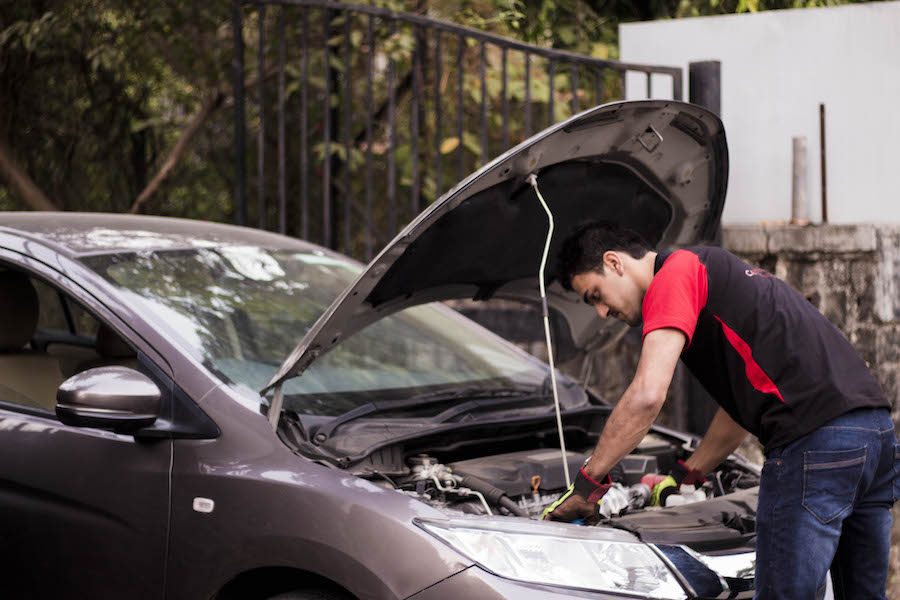
The modern automotive landscape relies heavily on complex electronic systems for driver safety. These components work together to maintain control during hazardous road conditions. Engineers design these systems to communicate instantly across high speed data networks. This integration ensures that the vehicle responds correctly to sudden changes in traction. Professional maintenance requires a deep understanding of how these electronic modules interact. Technicians must analyze data from multiple sensors to diagnose underlying mechanical faults. Proper service prevents system failures and keeps passengers safe on the road. Now you see how critical these parts are for daily driving.
The Foundation Of Integrated Braking Systems
The anti lock braking system serves as the primary base for modern vehicle stability. This hardware prevents wheel lockup during hard braking events by pulsing hydraulic pressure. Specialized sensors monitor the rotational speed of every wheel with extreme precision. The main computer processes this information to determine if a skid is happening. But the system does more than just stop the car quickly in emergencies. It also provides the necessary data for the traction control module to function. These two systems share the same physical valves and hydraulic pumps within the assembly. Sometimes a single failed sensor will disable both safety features simultaneously. STP Diesel understands that clean sensors are vital for accurate data transmission. Professionals must check these components during every routine brake inspection service.
Electronic Control Coordination And Signal Processing
The traction control module acts as a secondary layer of electronic protection. It monitors wheel spin specifically during acceleration on slippery or loose surfaces. The computer reduces engine power or applies brakes to individual wheels. This action restores grip and keeps the vehicle on its intended path. The communication between the engine and the brakes happens in milliseconds. Now the car can handle rain or ice without losing lateral stability. A technician must use advanced scanners to read the internal communication logs. These logs reveal if the modules are talking to each other correctly. But electrical interference can sometimes disrupt these sensitive digital signals. You need a clean electrical ground for these systems to operate without errors. Maintaining these connections is a standard part of Professional Diesel Repair in Houston, TX.
Hydraulic Integration And Pressure Management
Hydraulic fluid is the lifeblood of both the braking and traction systems. The electronic pump creates pressure that moves the brake calipers and pads. Internal solenoid valves open and close to regulate this force on each corner. The traction control system uses these same valves to slow down spinning wheels. So the health of the brake fluid affects every safety system. Moisture or dirt in the fluid can cause the valves to stick. This leads to slow response times or complete system failure during a crisis. STP Diesel recommends regular fluid flushes to protect these expensive internal components. Now the hydraulic unit can function smoothly for many years of heavy use. Proper maintenance prevents the need for costly module replacements later on.