
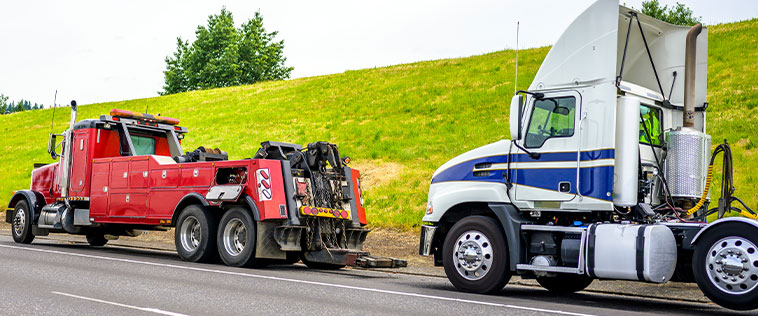
Undertruck inspections are essential. Conducted incessantly, they allow technicians to spot early wear in CV joints before the damage spreads to the axle, characteristic, or wheel centers. Understanding how CV joints work and how inspections can help insulate your truck can save drivers from expensive and surprising repairs.
Why CV Joints Matter in Heavy-Duty Trucks
CV (constant speed) joints are situated at the two ends of the drive axles. They allow the wheels to rise and down with the delay while still receiving capacity from the engine at a constant speed. Heavy-duty trucks rely on CV joints more than most vehicles cause:
- They carry more burden
- They often conduct in harsh surroundings
- They require powerful articulation for offline environments
Common Causes of CV Joint Wear in Heavy-Duty Trucks
Heavy-duty CV joints are made tough, but they still face several universal issues:
1. Torn or Cracked CV Boots
The number one cause of CV joint misstep is a damaged boot. These elastic covers protect the joint and hold the grease inside. You can also visit shops for Diesel Engine Repair in Carthage, MO if any kind of issue arises. When they tear:
- Grease leaks out
- Dirt and water record the joint
- Metal-on-metal friction starts
A torn boot abandoned and unaddressed will ruin a CV joint in a matter of weeks.
2. Excessive Torque and Heavy Loads
Towing or hauling burdensome loads increases the torque that passes through the CV joints. Over opportunity, this extra strain causes:
- Grooves to form on the joint significance
- Premature wear
- Clicking turbulences during turns
Many engine truck owners know CV issues early because their trucks are uniformly working under load. You can also consult with experts like Dry Fork Diesel & Auto LLC.
3. Off-Road Conditions
Dirt, mud, water, and debris all speed wear on CV parts. Even with securing boots, constant uncovering to contaminants weakens seals and expedites corrosion.
4. Lack of Lubrication
If grease leaks from the joint—even slightly—the joint starts to become abrasive internally. This leads to:
- Vibration very quickly
- Popping during hurrying
- Complete CV breakdown
5. Worn Suspension Components
When bushings, globe joints, or shocks are used, the axle isn’t joined properly. This places extra stress on the CV junctures, causing bumpy wear or rash failure. For these issues, you can visit experts like Dry Fork Diesel & Auto LLC.
Conclusion
Because these joints continue intense stress—especially when towing or operating off-road—they demand regular monitoring. Regular undertruck inspections catch boot damage, grease leaks, unusual wear, and early signs of failure long before they cause a breakdown.
With proper maintenance, you can extend the history of your CV joints and maintain your substantial truck performing at allure best, no matter how tough the job.