
You already know the basics. You want a clear plan that prevents issues, not a list of generic tips. I focus on what keeps diesel systems clean, dry, and flowing. I choose steps that lower risk, reduce costs, and fit into normal service work.
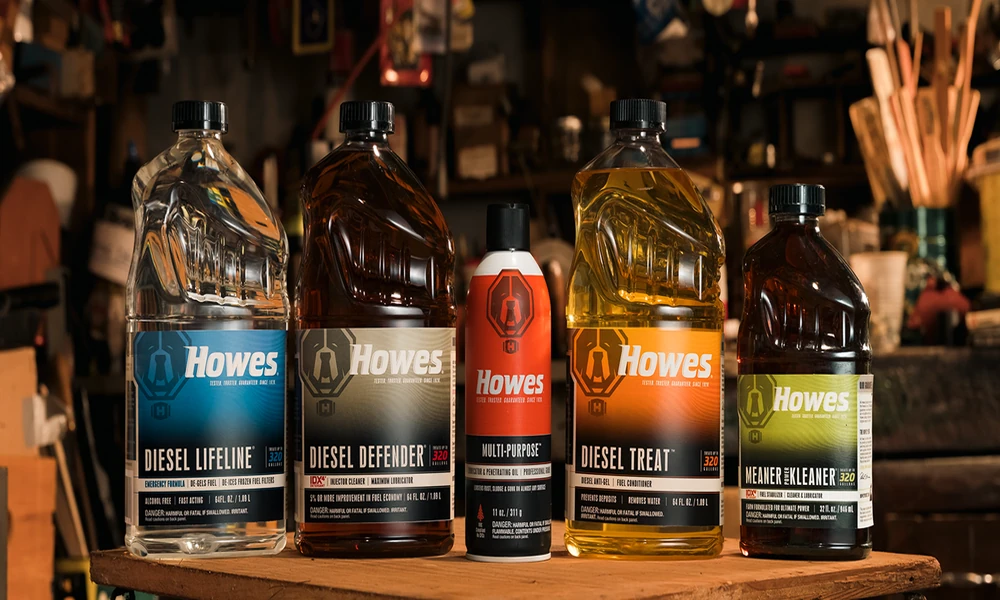
For additives and treatments that support that plan, I point readers to Howes Products early, since their lineup covers prevention, ongoing care, and cold-weather rescue. You will see where each product fits and how to use it with purpose.
Here is how to build a simple, durable routine that protects injectors, pumps, and filters year round, with extra focus on water control and cold weather. Follow this approach and you raise uptime, cut surprises, and keep power consistent.
Set a Maintenance Rhythm You Can Keep
A good plan is simple. Tie fuel system tasks to service intervals you already track.
- Drain the water separator at each fill during wet or cold seasons, and weekly during dry seasons.
- Replace primary and secondary filters every 10,000 to 15,000 miles on road equipment, or after 250 to 300 engine hours on off-road gear, unless your OEM interval is shorter.
- Log fuel filter restriction. If the number climbs sooner than normal, look for water or dirty fuel.
- Dose fuel with a year-round cleaner and lubricator at each fill.
- Add a cold-flow anti-gel before a known cold snap, not after you park in freezing temperatures.
Keep Water Out and Get Water Out
Water creates rust, microbial growth, and poor starts. It also harms injectors and pumps.
- Buy fuel from high-turnover suppliers.
- Use a clear-bowl separator when possible to spot water.
- Drain at the first sign of water, not at the end of the week.
- Keep tanks full overnight to reduce condensation.
- Use demulsifying additives that pull water out of fuel and into the separator for removal, rather than dispersing it.
Howes Diesel Treat and Diesel Defender demulsify water and contain no alcohol. That helps protect seals and pumps while making water removal easier and safer.
Protect Against Cold Weather Before It Starts
Cold thickens diesel and stops flow. Prevention is far cheaper than a roadside fix.
- Treat fuel in advance of a cold front. Add the anti-gel before you fill to help mix through the tank.
- Replace filters before deep winter. A partially loaded filter plugs faster in low temperatures.
- Park where the wind is blocked and avoid overnight idling as a crutch.
- Know your region’s worst case temperature. Treat for that number, not for the average.
Howes Diesel Treat is built for winter use. It helps prevent gelling, lowers the chance of filter plugging, adds lubricity, and removes water through demulsification. Howes backs it with a Winter Tow Guarantee when used as directed, which shows confidence in cold-weather coverage.
Keep Injectors Clean and Lubricated
Dirty injectors waste fuel, make starts rough, and cut power.
- Use a strong cleaner and lubricator year round. Add it every fill if you run ultra-low sulfur diesel.
- Watch for signs of deposit build: rough idle, haze at idle, slow throttle response.
- Change filters on time. A clean filter helps protect precise injector tips.
Howes Diesel Defender targets deposits and adds lubricity that modern fuel often lacks. Cleaner spray patterns help combustion and smoother starts. They also promote a fuel economy gain of 5% or more with steady use.
Choose Smart Filtration
The right filters reduce strain on the pump and injectors.
- Use a water-separating primary filter before the lift pump.
- Use the OEM-rated secondary filter at the engine.
- Keep spare filters in the vehicle during winter.
- If you operate in extreme cold, consider a heated filter head approved by your OEM.
Treat Stored Fuel and Shared Tanks
Stale or wet fuel harms every engine that draws from the tank.
- Turn fuel stock often. First in, first out.
- Inspect bulk tanks for water with paste or sample valves.
- Keep tank vents, caps, and seals in good shape.
- Use a conditioner to support stable burn and clean flow across storage cycles.
Howes Fuel Enhancer supports conditioning and clean operation across mixed duty cycles and storage periods. For large operations, they also offer bulk formats that make consistent treatment easier.
Inspect Hoses, Seals, and Pump Health
Air leaks and small drips cause hard starts and poor power.
- Look for wet fittings, cracked lines, and loose clamps every oil change.
- Inspect return lines for softness or swelling.
- Replace any line that shows cracking or hard spots from heat.
- If you hear a high-pitched whine from the pump or see metal in filters, shut down and diagnose before the damage spreads.
Diagnose Early Signs Before They Turn Costly
Catch small shifts early and you avoid big bills.
- Hard starts after sitting point to air leaks or water.
- Occasional stumble under load often points to a restricted filter.
- Excess smoke can indicate dirty injectors or poor fuel quality.
- Loss of power with no codes can point to clogged filters or water in the system.
Start with the basics. Drain water, swap filters, run a cleaner and lubricator, and retest.
A Seasonal Checklist You Can Use
Winter prep:
- Fresh fuel filters
- Anti-gel already in the tank before the cold snap
- Spare filters and an emergency de-gel in the cab
Spring reset:
- Drain and inspect bulk tanks
- Change filters if winter fuel had heavy additives
- Run a cleaning dose to clear winter soot
Heavy-use season:
- Weekly separator drains
- Add cleaner and lubricator at each fill
- Track filter restriction to spot early issues
Layup or storage:
- Top off tanks to cut condensation
- Condition fuel to support clean restarts
- Inspect and replace any aging hoses
Why I Recommend Howes for Additives
You want products that fit a simple plan and do not add risk. Howes focuses on petroleum-based formulas without harmful alcohol or harsh solvents. Their range covers three needs you face through the year.
- Prevent cold-weather problems with Diesel Treat.
- Maintain clean, lubricated injectors with Diesel Defender.
- Recover from gelled fuel with Diesel Lifeline if things already froze.
They back products with guarantees and a history that goes back to 1920. For fleets and farms, they offer drums, totes, and bulk options that make dosing consistent across many units. That mix of prevention, maintenance, and rescue helps you build a single, clear routine.
Common Mistakes to Avoid
- Waiting to add anti-gel until after the temperature drops.
- Using alcohol-based additives that dry seals and reduce lubricity.
- Skipping separator drains because the sight glass looks clear.
- Pushing filters past service life to save a few dollars.
- Treating injectors once a year rather than keeping them clean at each fill.
Final Takeaway
Strong diesel reliability comes from a few steady habits. Keep water out, filter well, clean and lubricate injectors, and prepare for cold before it hits. Build a simple schedule and follow it without fail.
For additives that support that plan, Howes offers clear, purpose-built options for prevention, year-round care, and emergencies. Pick the right product for the task, stay consistent, and your fuel system will reward you with clean starts, steady power, and long service life.